For 27 years, the hardest number in any collective sale has been 80. On 4 August, the Ministry of Law tabled a Bill in Parliament that would change it. Developments aged 40 to 59 would need 70% consent to sell en bloc. Developments aged 60 and above would need just 65%. The last time Singapore recalibrated these thresholds was 1999, when the oldest strata estates were barely middle-aged; today, hundreds of them are approaching the age bands this Bill is written for. If you own an older condo, sit on the fence of one, or are waiting for redevelopment supply to come to market, the arithmetic of the exit just moved. Here is the full change, and who it actually helps.
Source: Ministry of Law, Land Titles (Strata) (Amendment) Bill, tabled 4 August 2026. Reported by CNA, The Straits Times and The Business Times.
What the Bill actually changes
The consent threshold is the share of owners, by share value and strata area, who must sign the collective sale agreement before a sale can be applied for. Since 1999 it has sat at 80% for estates ten years and older, and 90% for younger ones. The Bill keeps those two bands and adds two more below them, tiered by age.
Consent measured by share value and floor area, as today. The two younger bands are unchanged.
| Age of development | Today | Proposed |
|---|---|---|
| Under 10 years | 90% | 90% |
| 10 to 39 years | 80% | 80% |
| 40 to 59 years | 80% | 70% |
| 60 years and above | 80% | 65% |
MinLaw’s stated rationale: many estates have aged significantly since 1999, and older developments often need heavy investment in maintenance, repairs and upgrading to stay safe and liveable. Lower thresholds give owners of those estates a practical route to redevelopment where support is broad.
In plain terms: in a 40-year-old, 100-unit condo, a sale that once needed roughly 80 consenting households now needs about 70. In a 60-year-old estate it needs about 65. Deals that stalled at 72% or 76% consent, and there have been many, would have cleared under these rules. That is the single biggest unlock for older estates in a generation.
The other half of the Bill: it gets harder to start, and safer to say no
Read only the headline and you would think this is a green light for en-bloc fever. It is not that simple, because the same Bill raises the bar for launching an attempt and strengthens the hand of owners who do not want to sell.
The design is deliberate. Fewer, better-supported attempts that move faster, instead of marathon campaigns that split neighbours for years. For owners who genuinely do not want to sell, the trade is a lower consent bar against a much harder path for half-hearted committees, a shorter window of pressure, and a longer quiet period when an attempt fails.
The quiet clause: long-lease flats join the regime
One change has flown under the radar. The collective sale regime would extend to non-strata private residential developments where flat owners hold long leases of at least 850 years but do not own the underlying land. Today those estates can only sell with unanimous agreement between every flat owner and the landowner, which is why some have sat frozen for decades. Under the Bill they could proceed by majority consent, with the landowner’s interest deemed nominal against an 850-year lease and transferred with the sale. It is a narrow clause, but for the handful of estates it touches, it turns an impossible sale into a possible one.
Who actually gains
Cut through the mechanics and the Bill sorts people into four positions.
That last point matters for timing. A week before this Bill, the government gave developers of large en-bloc projects more time under the additional buyer’s stamp duty regime, effective for land acquired from 29 July. Read together, the two moves point the same way: the state wants large-estate renewal to happen, and it is clearing the blockages on both sides of the deal. We covered the ABSD change in detail in our read on the revised developer timelines.
If your estate is mid-attempt right now
The transition rules hinge on one event: the first signature on the collective sale agreement. If your committee obtained its first signature before the law commences, the old rules apply to that attempt. If it has not, the new rules apply. Committees still collecting signatures will also be allowed to convene a general meeting, terminate the current agreement, approve terms for a fresh one under the new framework, and take 7 months from commencement to hit the new threshold. If your estate is anywhere in this pipeline, the sequencing of that choice is worth professional eyes.
What happens next
This is a Bill, not yet law. It goes to debate at the next available Parliament sitting, then a third-reading vote, then presidential assent, and takes effect on a date to be announced. The figures above could shift at debate, though the direction is set and the consultation behind it has run since 2023 across owners, lawyers, consultants, developers and the strata boards. We maintain a live read on which estates the new maths would flip on our collective sales page, and we will update this piece as the Bill moves.
Our collective-sales desk and the 2026 watch list →
Sources
- CNA: New law proposed to lower en bloc thresholds for older condominiums (4 Aug 2026)
- Ministry of Law press release: Proposed Amendments to the Collective Sale Regime (4 Aug 2026)
- The Straits Times: ageing properties may get better shot at en bloc sales (4 Aug 2026)
- The Business Times: lower consent hurdle among changes proposed for en bloc sales (4 Aug 2026)
Own an ageing condo and wondering what the new thresholds mean for your block? We read your estate the way a developer would: consent maths, site value, and your realistic timeline.
Keep reading
Related notes.

Hong Heng Garden wants $130 million, and the land next door already set the price.
A small freehold estate on Sembawang Road has launched its first collective sale at $130 million. The interesting number is not the headline, it is the $1,128 psf ppr, and what the state sold the plot next door for ten months earlier.
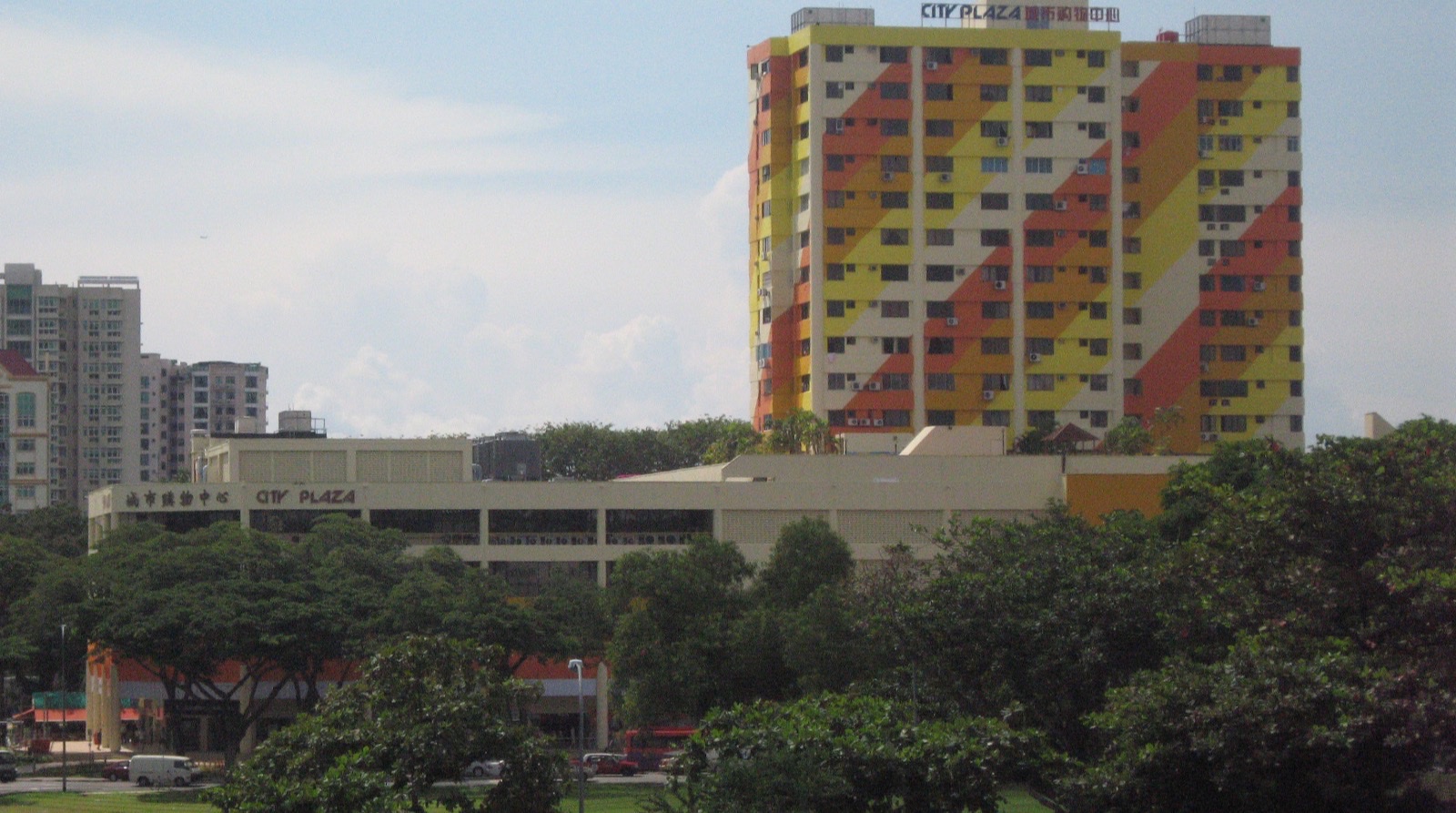
City Plaza is back at $970 million: the en-bloc that missed by 0.7 points returns for round three.
In 2021, City Plaza’s collective sale died at 79.3% consent, a 0.7-point miss. Now the freehold Paya Lebar landmark is on the market again at $970 million, with no ABSD for the buyer, a rezoning path already tested with URA, and a tender closing 13 October. Here is the full read on Singapore’s latest mega en-bloc.
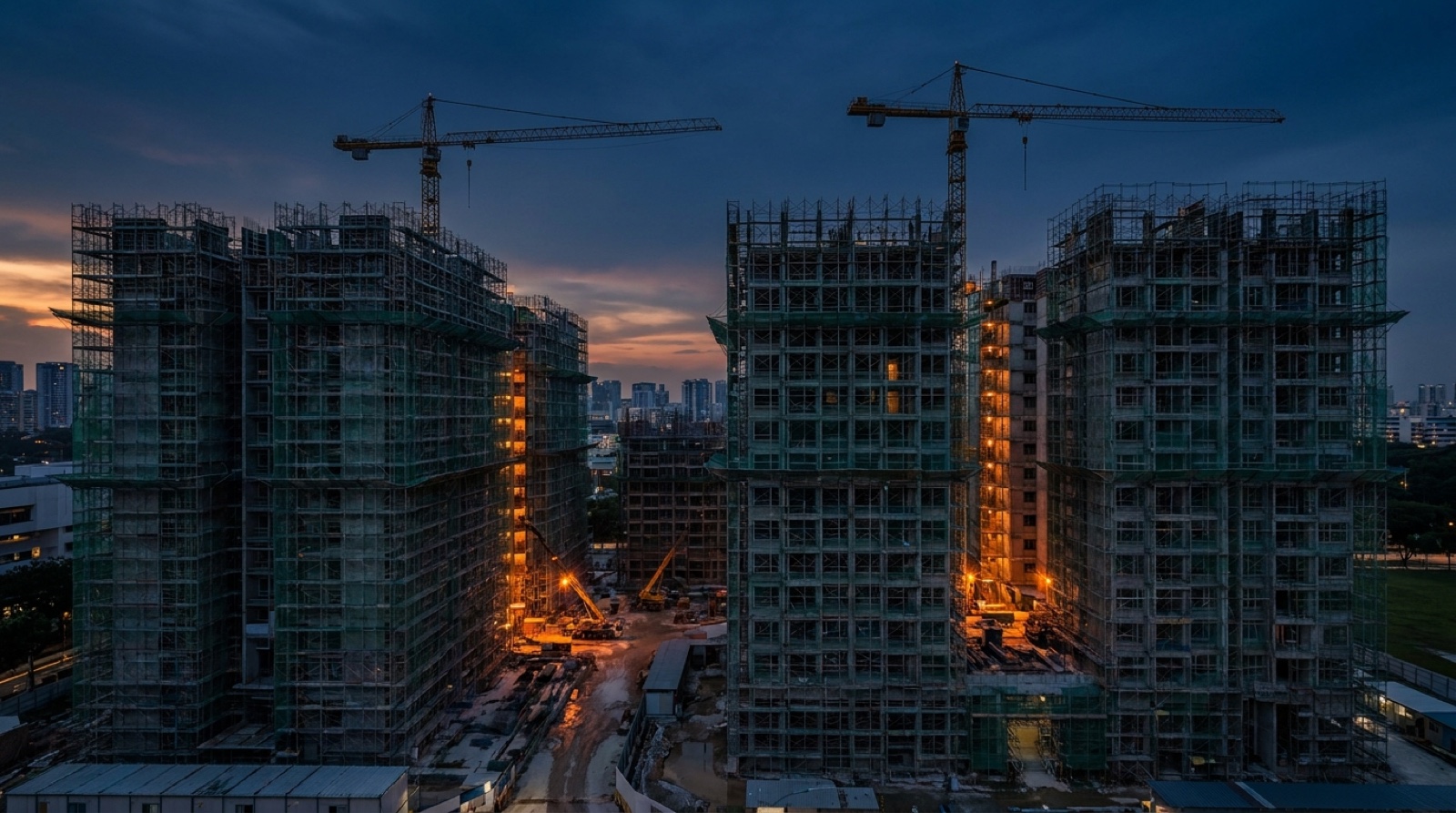
Developers just got more time on big en-bloc sites. Why it matters if you own in an ageing estate.
On the same day it lifted the 15-month wait-out, the Government gave developers of large collective-sale sites up to 6–7 years to build and sell, not a rate cut, but a targeted de-risking of exactly the big, ageing estates that had stopped selling en bloc.
Proposed law, not yet in force. This article describes the Land Titles (Strata) (Amendment) Bill as tabled on 4 August 2026. The Bill has not been debated or passed, figures and mechanics can change before enactment, and commencement will be on a date announced later. Nothing here is legal advice; consult a lawyer on any live or planned collective sale.
Not financial advice. This is general commentary for informational purposes only. It is not financial, investment, legal or tax advice, and not a recommendation to buy, sell, hold or support or oppose any collective sale. Your position depends on your own circumstances.
Independent. The Property Collective is a team within PropNex Realty and is not affiliated with, endorsed by, or connected to the Ministry of Law, URA, HDB or any developer.