Buyers wait for new launches to get cheaper. They very rarely do, and the reason has nothing to do with developer greed. A launch price is built up from a land cost that was fixed years earlier at a public tender, plus construction, financing and the developer’s margin. When the land was expensive, the launch cannot be cheap. Right now land rates are at the top of their range and unsold stock is near a decade low, which is a combination worth understanding before you decide to wait another year.
Sources: URA, URA Realis and PropNex Research, data to July 2026.
How is a new launch price actually built?
From the land up, and the land was priced years before you saw the showflat. Start there. A developer wins a Government Land Sales site at a tender, and that number, quoted per square foot per plot ratio, is locked in years before a single unit is sold. Onto it go construction costs, financing over the development period, marketing, and the margin that justifies the risk. The resulting breakeven is the price below which the project loses money. Industry rule of thumb puts breakeven roughly 55% to 75% above the land rate, and the launch price has to clear the breakeven by enough to be worth doing.
Recent Greater Southern Waterfront tenders. Breakeven estimates as presented by PropNex Research, August 2026.
| Site | Land rate (psf ppr) | Est. breakeven (psf) |
|---|---|---|
| Telok Blangah Road | $1,326 | ~$2,444 |
| Berlayar Drive | $1,515 | ~$2,700 |
Two sites about 600m apart, $189 psf ppr different at the land stage, and the gap carries straight through to what each will have to charge. We covered the Berlayar tender in full in our read on the sole bid.
That is the mechanism in one table. A developer who pays more for land does not absorb it; they need a higher launch price to make the same project work. And because tenders are public and competitive, the land rate is not a private decision but a market price set by however many developers wanted that plot.
How much have Singapore land prices risen?
About 97% in thirteen years. Land has not simply been expensive; it has been getting more expensive for a decade. The average winning rate for government residential sites has moved from roughly $724 psf ppr in 2013 to about $1,428 in 2026, and average new-launch prices have tracked it upward from about $1,406 psf to about $2,592.
Average winning land rate, psf per plot ratio, for residential and residential-with-commercial sites. Source: PropNex Research, URA, data to July 2026.
The floor under future launches has risen for a decade. Nothing in the current pipeline suggests it is about to fall.
How much unsold private housing is left in Singapore?
14,929 units as at Q2 2026, roughly half the level of early 2020. Supply is the counterweight that would normally discipline prices, and it has thinned considerably. Unsold private stock stood at 14,929 units in Q2 2026, down from 29,149 at the start of 2020. Measured against recent average annual sales, that is roughly 4.4 years of supply in the prime core, but only about 1.2 years in both the city fringe and the suburbs, which is where most buyers are actually shopping.
Thin inventory does not force prices up on its own. What it does is remove the developer’s reason to discount. A project competing against a wall of unsold neighbours has to sharpen its pricing; a project competing against very little does not. That is why the softening in the price index has shown up as slower growth rather than falling launch prices.
Does rising land cost mean you should buy now?
No, and be careful with this argument, because it is easy to overstate. Rising land costs make cheaper launches unlikely. They do not make any particular launch a good buy, and they are not a promise that prices will rise.
This is the lens we bring to every launch: the price a developer needs is a fact about their cost base, while the price a future buyer will pay is a fact about the neighbourhood. Our BuySafe engine reads the second one, using more than 140,000 publicly available URA transactions across 3,000+ private condo projects to show how the resale market a launch will eventually sell into has actually behaved. It scores resale private condos, not launches. Know the exit before you enter.
Related: one bid, $1,515 psf ppr at Berlayar Drive →
Sources
- URA: Release of 2nd Quarter 2026 real estate statistics
- URA: Government Land Sales programme and tender results
- EdgeProp: Hong Leong Holdings and GuocoLand JV submits sole bid for Berlayar Drive GLS site at $1,515 psf ppr
- PropNex Research: August 2026 market briefing (land rate, unsold stock and breakeven analysis)
If you are waiting for launch prices to fall, it is worth knowing what sits underneath them. We read the land cost, the breakeven and the nearby resale on any project you are considering, so you know what you are really paying for.
Keep reading
Related notes.
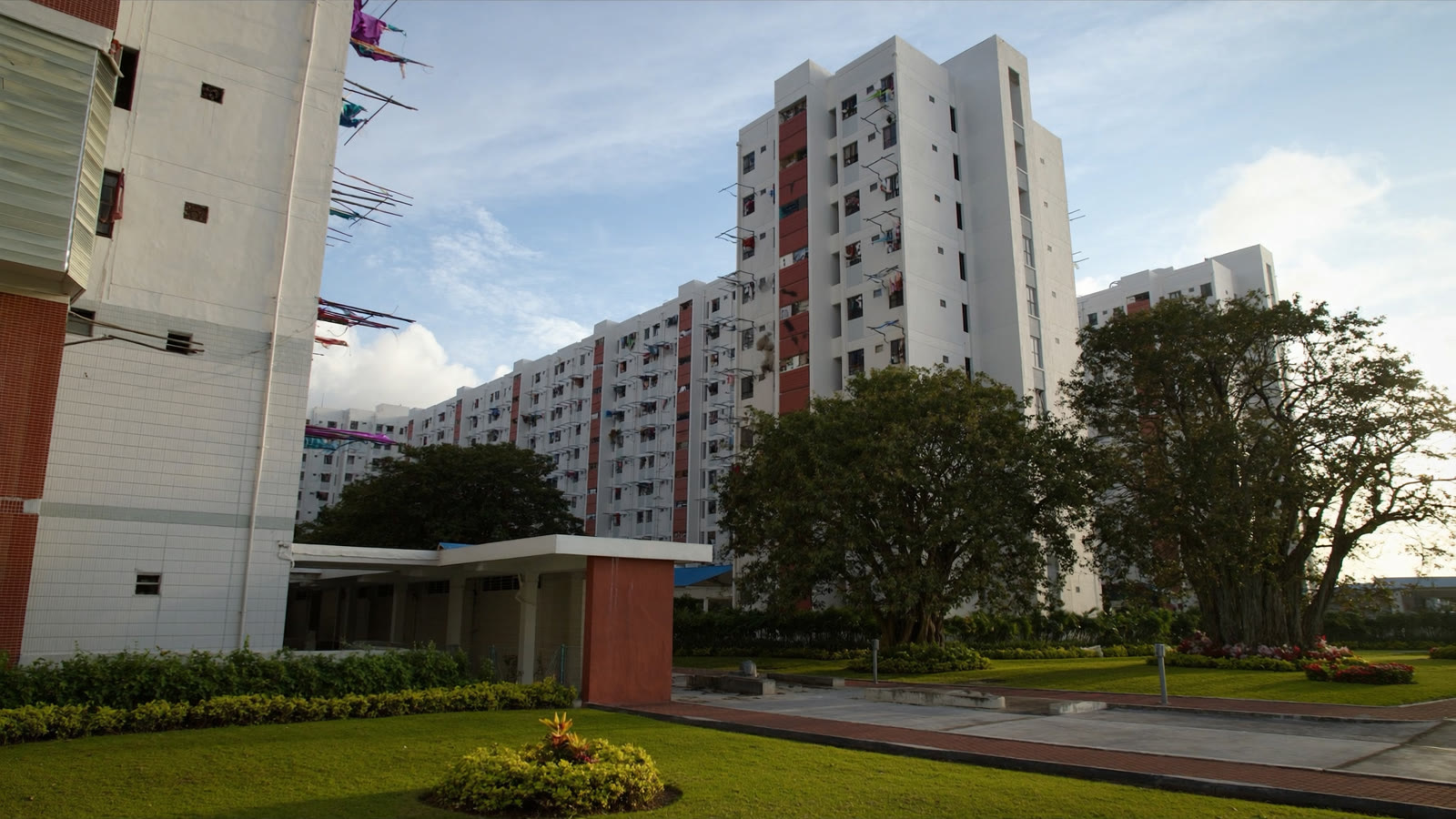
Three quarters down, 0.6% in total. What HDB’s Q3 flash really says about resale prices.
HDB’s flash estimate puts the Q3 2026 Resale Price Index at 202.4, down 0.2% and the third straight quarterly dip, while URA’s private index jumped 1.4%. Volumes rose 17.7%, million-dollar flats hit 597, and the gap between an HDB flat and the condo it is meant to fund widened again. Here is what the number does and does not mean.
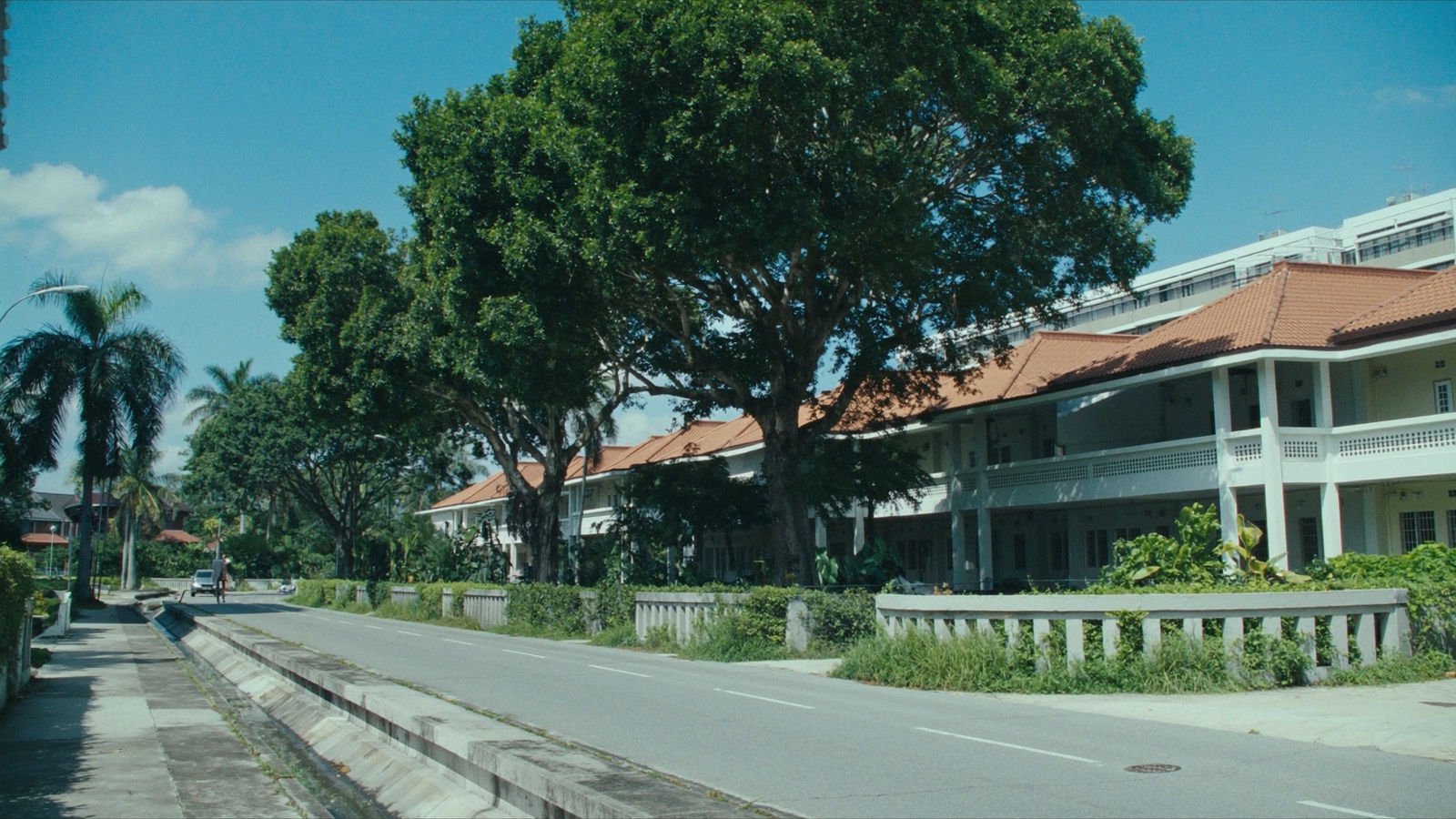
Two new land sales: 85 homes in Siglap now, 235 in Serangoon North later, and what each one prices in.
URA released two residential sites on the same day: a 0.55-hectare plot on East Coast Road, Siglap’s first residential state land since the Seaside Residences site, where every unit must average at least 100 sqm, and a 235-home Reserve List plot at Serangoon North View beside The Garden Residences. One goes to tender on 3 December with analyst calls from $1,100 to $1,650 psf ppr. The other is a signal that says not yet. Here is what each one prices in.
The Fed is not done. What a 73% October and a rising SORA mean for your mortgage.
A week after the first US rate hike since 2023, markets already price a 73% chance of another one in October, and Maybank has lifted its year-end SORA forecast by a third. What the new rate cycle means for Singapore mortgages, for anyone refinancing in the next 12 months, and for buyers waiting on the sidelines.
Not financial advice. This is general commentary for informational purposes only. It is not financial, investment, legal or tax advice, and not a recommendation to buy, sell or hold any property. Your position depends on your own circumstances.
Estimates are estimates. Breakeven figures are estimates presented by PropNex Research and are not developer disclosures; actual breakeven depends on construction costs, financing, timeline and the final scheme. Land rate and unsold stock figures are from URA and PropNex Research as at Q2 and July 2026 and are rounded. Past performance is not indicative of future results.
Independent, and about BuySafe. The Property Collective is a team within PropNex Realty and is not affiliated with, endorsed by, or connected to URA or any developer. BuySafe analyses resale private condos using historical, publicly available URA transaction data and does not score new launches.