
PropNex released its first-half results on 13 August, and with them a forecast for the rest of 2026: private home prices up 3% to 4% for the full year, around 9,000 new private homes sold excluding executive condominiums, and HDB resale prices up by as much as 1%. One thing to say up front: The Property Collective is a team within PropNex, so this is our own agency’s outlook. Rather than simply pass it on, we have worked through what it implies. Every forecast contains a second, unstated forecast about the months still to come, and that is the part worth reading.
PropNex full-year 2026 forecasts, published with its 1H 2026 results on 13 August 2026. Reported by The Straits Times.
What is PropNex actually forecasting for 2026?
Higher prices on lower volumes, in both markets. That combination is the first thing worth noticing, because it is not the uniformly bullish picture a headline about a bolstered market suggests. New private home sales are forecast to fall by roughly a sixth against last year, while prices are forecast to rise faster than they did in the first half.
PropNex full-year 2026 forecasts versus 2025 actuals. Sources: PropNex 1H 2026 results statement via The Straits Times; URA; HDB.
| Measure | 2025 actual | 2026 forecast | Change |
|---|---|---|---|
| New private homes sold (ex-EC) | 10,815 | ~9,000 | about -17% |
| Private resale transactions | 14,622 | 14,000 to 15,000 | roughly flat |
| HDB resale transactions | 26,169 | 26,000 to 27,000 | roughly flat |
| Private home prices | +3% to 4% | faster than H1 | |
| HDB resale prices | up to +1% | reversal from H1 |
Volumes flat to sharply lower, prices higher. The forecast is a call on scarcity rather than on a rush of buyers.
What does the forecast require of the second half?
An acceleration, in all three of the headline measures. This is the part the forecast does not spell out, and it is straightforward to work out. The first half is already on the record, so any full-year number implies a specific second half.
H1 2026 actuals from URA and HDB. H2 requirement is the arithmetic needed to reach the forecast range, compounding on the H1 result.
| Measure | H1 2026 actual | H2 needed |
|---|---|---|
| Private home prices | +1.4% | +1.6% to +2.6% |
| HDB resale prices | -0.4% | +0.4% to +1.4% |
| HDB resale volume | 12,681 units | 13,319 to 14,319 |
For private prices that is roughly 1.1 to 1.8 times the pace of the first half. For HDB it is not an acceleration but a reversal: prices fell in the first half and have to rise in the second.
None of that is impossible. Second halves are usually busier than first halves in Singapore, and this particular first half was held back by a thin launch pipeline rather than by absent buyers. But it does reframe the forecast. It is not a claim that the market is already running. It is a claim that it is about to.
Why might the forecast be right?
Because three of its supports are already in place rather than hoped for. This is the honest case for the numbers, and it is a reasonable one.
How should you read a forecast like this?
Check what it would take to come true, and note where it comes from. None of this makes the forecast wrong. It is simply how any outlook is best read.
There is also a plainer reason for caution, which applies to every forecast including the ones we agree with. A number for the whole market tells you very little about the specific unit you are considering. The market can rise 4% while your project does nothing, and the reverse is just as true.
How do you turn a forecast into a decision?
Use it to size the risk, not to set the timing. A forecast is most useful as a description of what would have to be true, which lets you check your own position against it.
That last point is the one we would stand behind if you take nothing else from this. The useful question is never what the market will do, it is what the market has already done to the project in front of you, adjusted properly so you are comparing like with like. That is what our in-house engine BuySafe is built to answer, from more than 140,000 publicly available URA transactions across 3,000+ private condo projects. It covers resale private condos rather than new launches, and where a project’s data is too thin to model honestly it shows nothing rather than guessing. If you want that read on a project you are weighing, we will run it and send it to you. Know the exit before you enter.
Sources
A forecast is a view, not a plan. What matters is whether the specific unit in front of you holds up if the forecast is wrong. That is the conversation we would rather have with you.
Keep reading
Related notes.
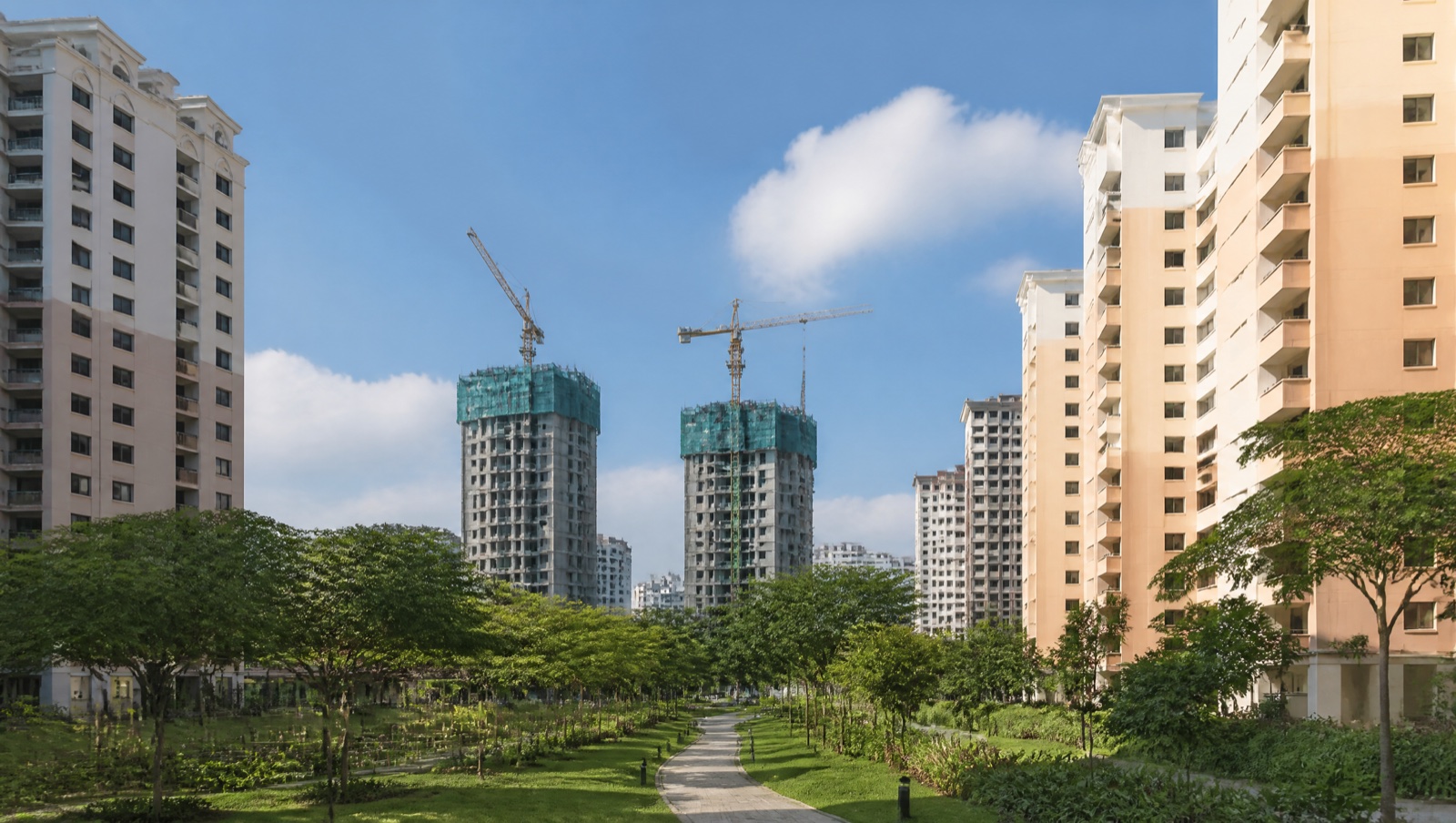
More flats are coming. What the 2026 to 2028 supply wave does to HDB resale prices.
HDB resale prices have fallen two quarters in a row, and the flats reaching their five-year MOP rise from about 13,500 this year to 19,500 in 2028. History says supply caps the upside but demand sets the direction. Here is where the softness lands first, and what it means if you are selling to upgrade.
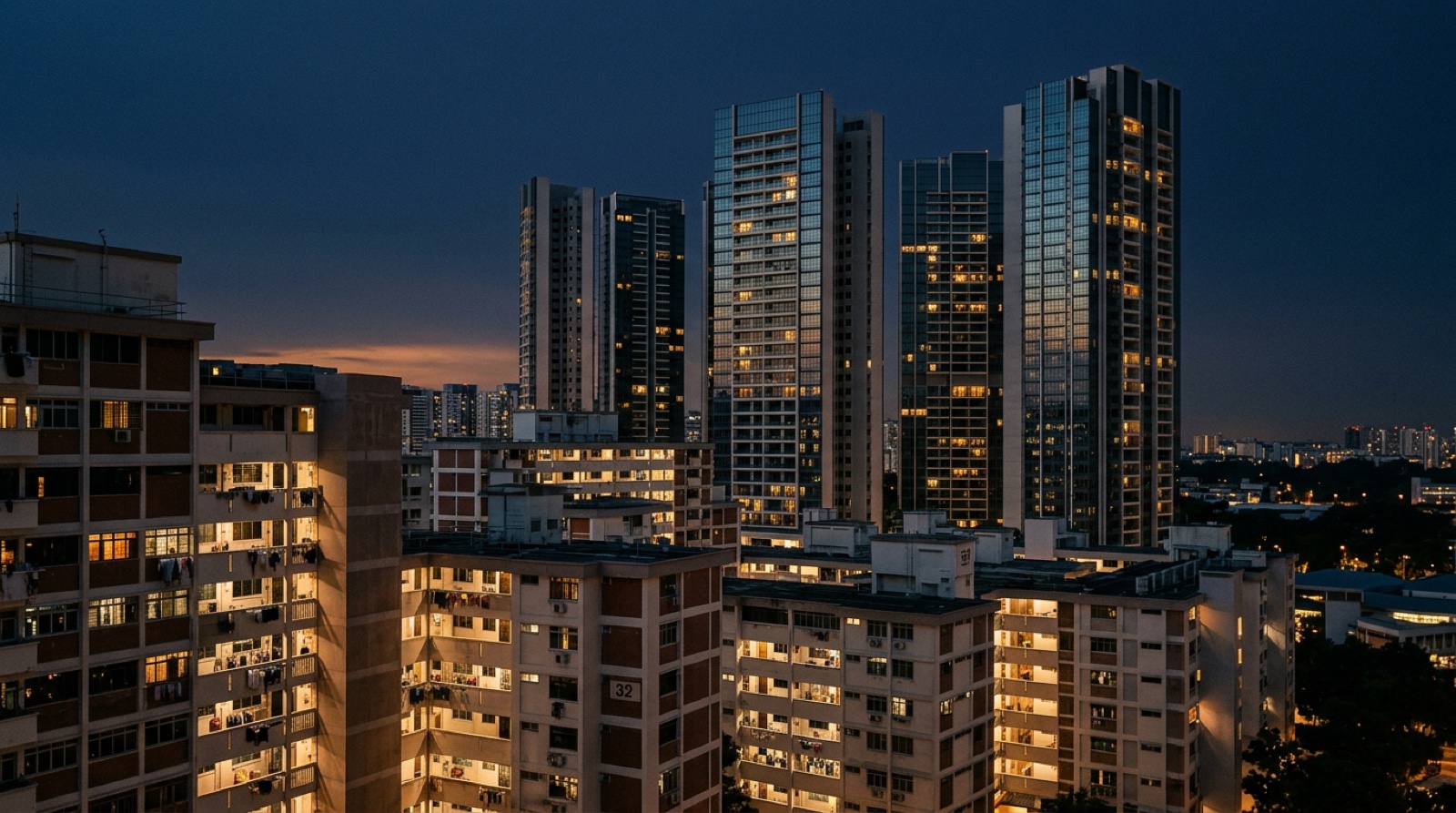
The 15-month wait-out is gone. What it means for HDB and private resale prices.
From 28 July 2026, private-property owners can buy a resale HDB flat with no waiting period. The measure that cooled the top of the HDB market for nearly three years is lifted, deliberately, against an incoming wave of flat supply. Here is who it affects and where prices actually move.
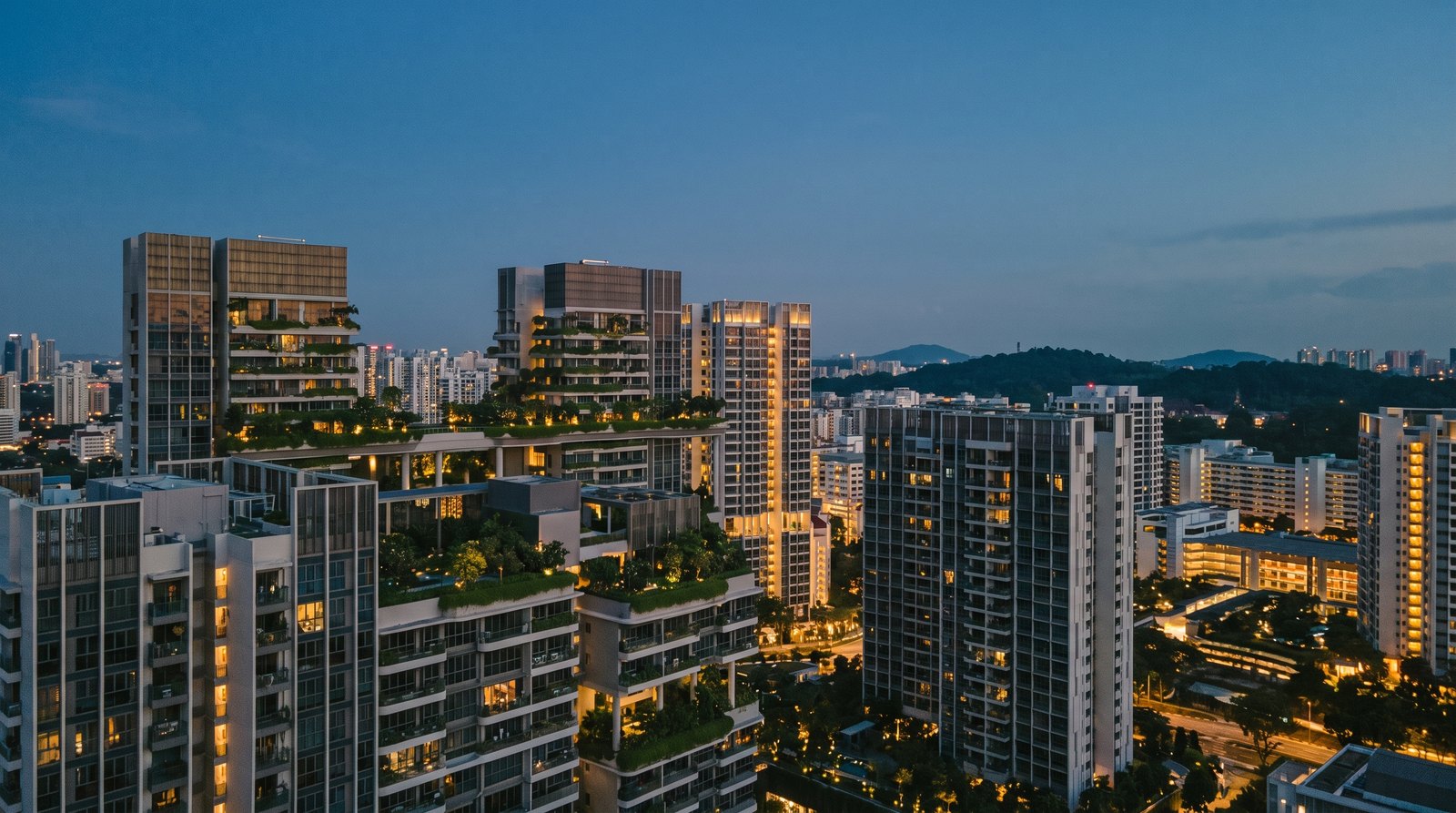
Singapore property, Q2 2026: prices cooled, and the split got sharper.
Private home prices rose just 0.5% (the slowest in seven quarters) and HDB resale slipped again, yet million-dollar flats hit a record. The Q2 2026 numbers, and what PropNex expects for the rest of the year.
Where we sit. The Property Collective is a team within PropNex Realty, and the forecast discussed here is PropNex’s own, published with its 1H 2026 results. We have set out both the case for it and what it would take to be right.
Forecasts are not facts. Every forward-looking figure here is PropNex’s published expectation, not an outcome. The second-half requirements are our own arithmetic, compounding the reported H1 result to the forecast range, and assume the reported figures are final. Actual outcomes will differ.
Not financial advice. This is general market commentary for information only. It is not financial, investment, legal or tax advice, and not a recommendation to buy, sell or hold. BuySafe analyses resale private condos using historical, publicly available URA transaction data and does not cover new launches; past performance is not indicative of future results. The Property Collective is not affiliated with, endorsed by, or connected to URA, HDB, MAS or any government agency.